

Creating video content for your business or organization often starts with a simple question: What should we make?
But before you decide what to shoot, what story to tell, or what to post on social media, you need to understand what you’re trying to accomplish. Planning video content starts with knowing your audience and making intentional decisions about how to connect with them.
That’s why every time we start a video project, I ask my clients these three questions:
Who is your audience?
Where does your audience spend time online?
What do you want your audience to do?
Before we talk about cameras, interviews, locations, or what the finished video might look like, we need to find answers to those questions.
The same questions are worth asking when you’re planning your own video content.
It’s easy to start with an idea for a video. Maybe you have a project you want to showcase, something you want to teach, or simply feel like you should be posting more consistently.
But creating content isn’t the goal. Reaching the right people with something that matters to them is.
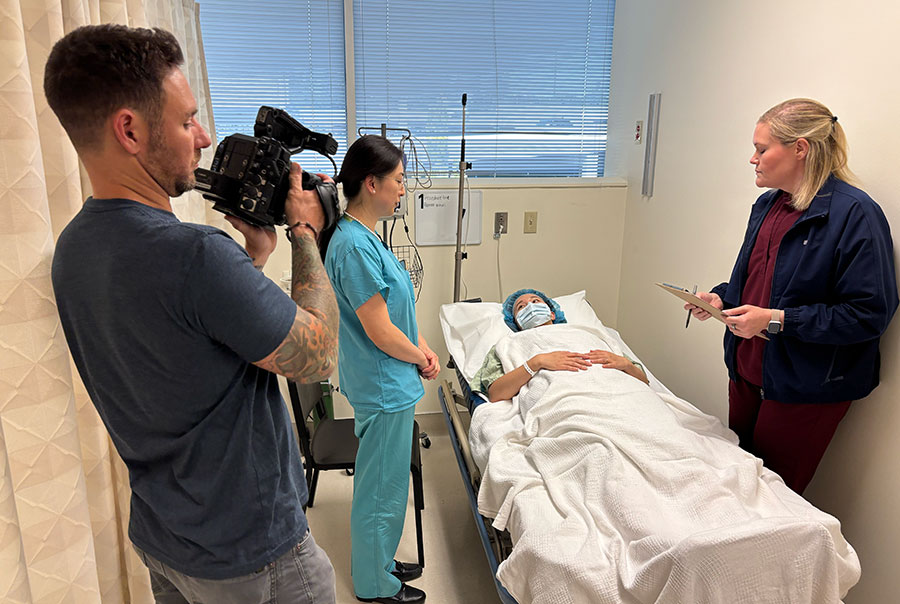
Who Is Your Audience?
Start by getting as specific as you can about who you want to reach.
Let’s say you run a dental practice.
You might want to reach parents looking for a dentist for their children. Or you might be trying to reach adults considering cosmetic dentistry.
Both are potential patients for the same practice.
But they are different audiences with different needs, questions, and reasons for choosing a dentist. The video content that connects with one may not connect with the other.
The same applies to almost any business or organization.
A tech startup may communicate differently with potential customers than it does with investors. A business selling to other businesses may need to reach a very specific group of decision-makers. An organization trying to recruit employees has a different audience than one trying to attract customers.
You don’t need everyone to watch your video.
You need the right people to watch it. Think quality over quantity.
Where Does Your Audience Spend Time Online?
Once you know who you’re trying to reach, think about where you’re most likely to find them.
Younger audiences may be more active on Instagram or TikTok. Older audiences tend to prefer Facebook. If you’re creating business-to-business content, LinkedIn may be the better fit.
That doesn’t mean you can’t share a video in multiple places. But knowing which platform matters most to your target audience can influence what you create and how you create it.
Think about how people use each platform, too.
Someone scrolling Instagram isn’t necessarily in the same mindset as someone browsing LinkedIn. The same person may even respond differently to your content depending on where they encounter it.
You don’t need to be everywhere simply because the platforms exist.
Go where the people you’re trying to reach already are.
What Do You Want Your Audience to Do?
Now that you know who you’re talking to and where you’re trying to reach them, decide what you want to happen next.
Sometimes the first goal is simply getting someone to stop scrolling.
Then maybe you want them to watch the entire video.
Maybe you want them to learn something about your business, follow your account, or share the video with others.
Or perhaps there’s a more direct action you want them to take, such as visiting your website, registering for something, or contacting you.
Be specific.
If you know what you want someone to do after watching, you can create the video with that outcome in mind.
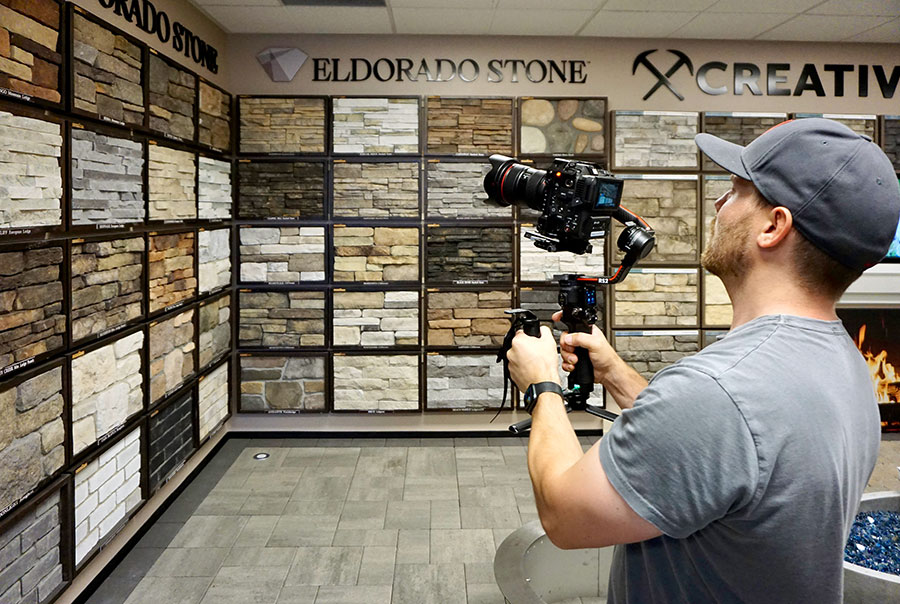
The Right Content for the Right People on the Right Platform
You don’t need every video to reach thousands of people to be successful.
For many businesses and organizations, reaching 100 of the right people can be much more valuable than reaching 10,000 people who aren’t interested in what you do.
So if you’re wondering how to plan video content that actually reaches the right audience, I’d start with these three questions.
Who am I trying to reach?
Where can I reach them?
What do I want them to do?
Once you know those answers, you can start thinking about what to create.
The goal is simple: make the right content for the right people on the right platform.
From there, start by finding video content ideas that fit your business. Once you know what you want to make, you can plan for your video content shoot.
Then you can worry about hitting record.
If you’re planning a video project and need help turning those answers into a video that connects with the people you’re trying to reach, contact us. We’d love to hear what you’re working on.