

A good story starts with understanding who you’re telling it to. You can have an interesting subject, great visuals, and a compelling message, but if the story doesn’t connect with your audience, it’s unlikely to have much impact.
That’s why knowing your audience is one of the most important parts of storytelling.
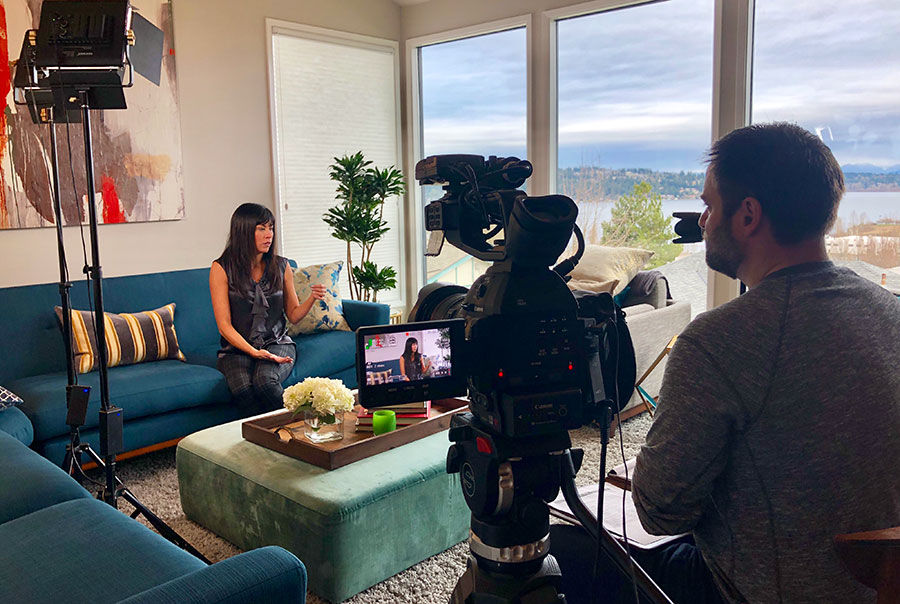
Television producer Matt Chan has spent his career telling stories for shows and documentaries. In a TEDx Talk about storytelling, his biggest piece of advice is deceptively simple: know your audience.

Know Your Audience
Chan says people sometimes challenge him on that advice. They argue that a story needs a beginning, middle, and end—and, most importantly, a point. Chan doesn’t disagree. His argument is that those aren’t storytelling tips; they’re requirements. Without a beginning, middle, end, or point, you don’t really have a story.
There’s a common idea in storytelling: start with what you know. But Chan takes that further by saying you should start with what your audience knows. We all come from different backgrounds, but we also share common experiences. Find that common ground and use it to connect with your audience. Think about successful comedians: they often use relatable experiences to keep an audience engaged.
Capture Their Attention Early
Once you capture an audience (which you must do quickly), you can take them anywhere you want with storytelling. That’s because you’ve engaged them from the start. And now you can keep them engaged with twists, turns, and cliffhangers. Your audience needs to be involved from beginning to end; otherwise, they won’t stick around.
Take this video for example. We put this story together as part of a series called People of the Plant Floor.
The story begins with something many people can relate to: working in a job that isn’t rewarding. Once that common ground is established, we follow the twists and turns of Danny’s life—moving from California to Utah, starting a family, building a career in manufacturing, and earning a promotion. And then we’re left with a question: What path will Danny take next?
Hopefully, by that point, you’re invested enough in Danny’s story to want to find out.
Good storytelling starts with knowing who you’re speaking to. Find the common ground between your subject and your audience, give people a reason to care early, and then keep earning their attention as the story unfolds.
At Moarly Creative, understanding the audience is part of how we approach every video project. If you’re thinking about creating video for your business or organization, learn more about how to plan video content or explore our storytelling approach.